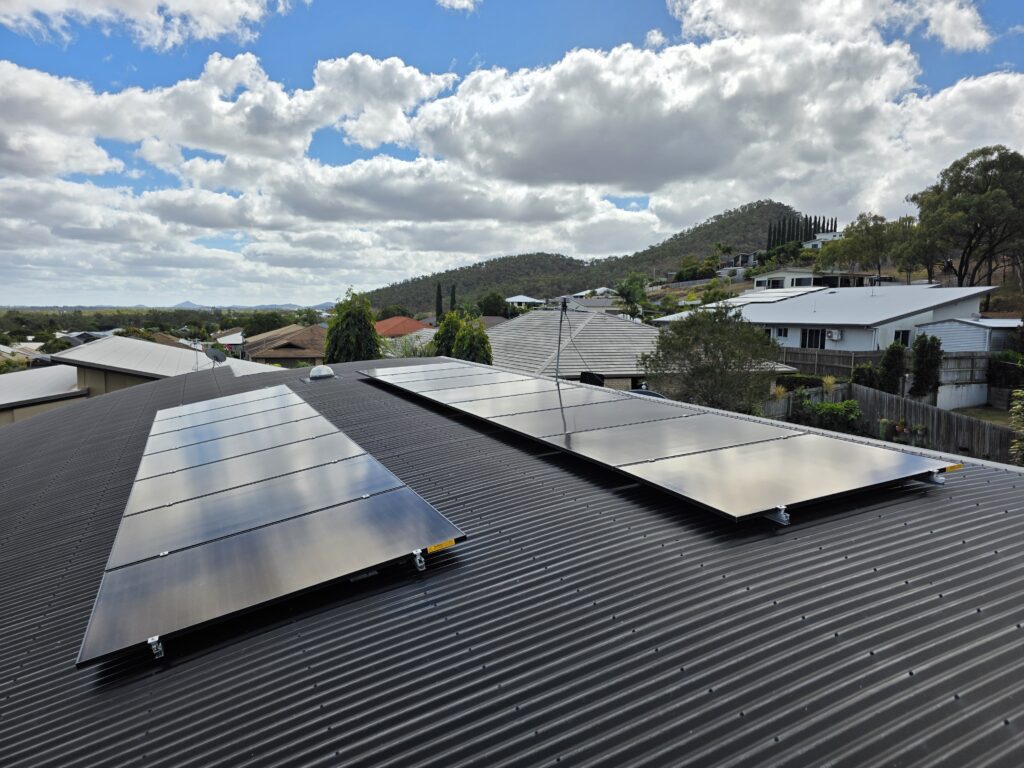
Your solar system was a great investment… but what happens when your energy needs grow beyond what it can produce? You might have added an electric vehicle, installed a pool or started working from home; you might be wondering: can you just add more solar panels to your existing system?
In many cases, yes. Expanding an existing solar system is possible and can be a smart way to generate more energy without starting from scratch.
However, it’s not as simple as adding a few extra panels to your roof. It all depends on your inverter’s spare capacity, whether new panels are electrically compatible with your current setup, and what your electricity network provider will approve.
In this guide, we’ll explain everything you need to know about expanding an existing solar system, from checking whether your current setup can handle more panels to understanding costs, approvals, compatibility issues and the best upgrade options for your home.
Key Takeaways
- You can often add more solar panels to an existing system, but your inverter capacity, available MPPT inputs, roof space and network approval all need to be checked first.
- Your inverter is one of the biggest factors in determining how much additional solar you can install. If it has spare capacity, an expansion may be relatively straightforward; otherwise, an inverter upgrade or second system may be required.
- New panels don’t necessarily need to match your existing panels. With the right system design, newer panels can operate on their own string or MPPT input to work efficiently alongside an older array.
- Queensland solar expansions require network approval and compliance checks. For Central Queensland, Ergon Energy requirements and current Australian Standards need to be considered, particularly when upgrading older systems.
- The best upgrade depends on your current system and future energy needs. Expanding your existing system, replacing it entirely or installing a second system may each make sense depending on the age, condition and capacity of your equipment, as well as plans for an EV, battery, pool or other high-energy appliances.
Why Are More Australian Homeowners Expanding Their Solar Systems?
Most solar systems are designed around your energy needs at the time of installation, but those needs can quickly change. More households are using additional electricity through electric vehicles, home offices, air conditioning, pools, electric hot water systems and growing families.
Adding more solar panels allows homeowners to generate more of their own power during the day, reducing reliance on the electricity grid and helping lower energy costs. It can also improve the return on your original solar investment by making better use of your roof space and increasing your renewable energy production.
Can You Add More Solar Panels to an Existing Solar System in Australia?
The simple answer is yes.
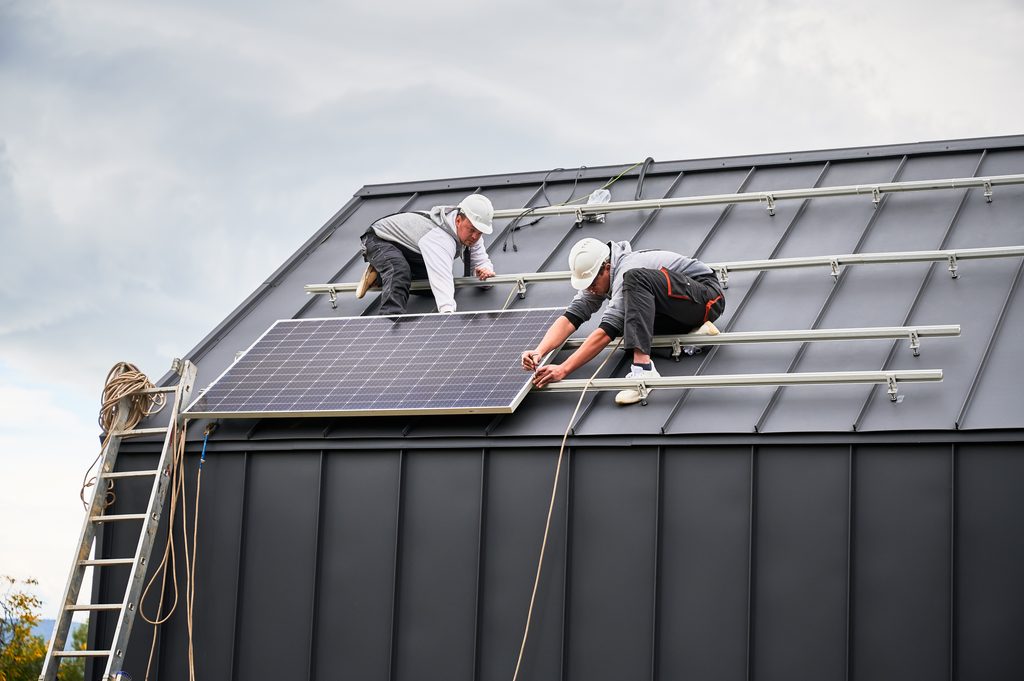
If your current solar system isn’t keeping up with your household’s energy needs, it is possible to add more solar panels to an existing system.
However, whether it’s possible depends on how well the new equipment works with your existing setup.
Before expanding your system, a qualified solar installer will assess several key factors, including your inverter capacity, available roof space, panel compatibility, electrical requirements and grid connection limits. For homeowners across Central Queensland, upgrades must also meet local electricity network requirements. Depending on your location, your installer may need approval from your electricity distributor before increasing your system size.
Expanding, Replacing or Adding a Second Solar System?
When increasing your solar capacity, there are usually three options to consider:
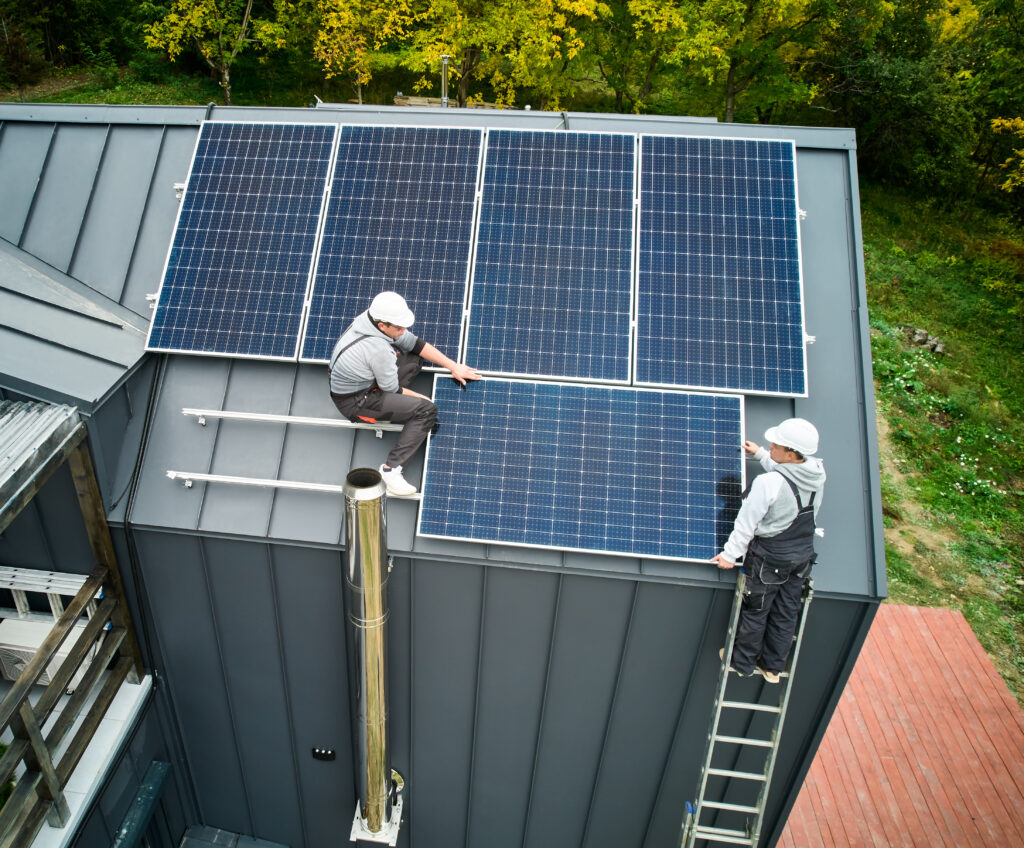
- Adding panels to your existing system involves extending your current setup by installing additional panels and making sure your inverter and electrical components can support the increase. This is often the simplest option when your system is relatively new and has room for expansion.
- Replacing your existing solar system may be the better choice if your panels or inverter are outdated, underperforming or no longer supported. A complete upgrade can allow you to install newer, more efficient technology and maximise your roof space.
- Installing a second solar system alongside your existing one can be an option when your original system cannot be expanded easily. This approach may suit homes with older systems, limited inverter capacity or significantly increased energy demands.
How to Tell If Your Existing Solar System Can Handle More Panels
Before adding more solar panels to your home, the first step is understanding whether your current system can actually handle an upgrade.
While extra roof space might seem like the obvious requirement, the biggest limitations often come down to your inverter, panel compatibility and the way your roof performs throughout the day.
A professional solar installer will assess your existing setup to determine what can be added, what may need upgrading and whether expanding your current system is the most cost-effective option.
Can Your Inverter Handle More Solar Panels?
Your inverter is usually the biggest factor when deciding whether you can add more panels. Every inverter has a maximum input capacity and a set number of MPPT (Maximum Power Point Tracker) inputs. If it’s already running near that limit, or every input is in use, you’ll need an inverter upgrade before another panel goes on the roof.
During an assessment, your installer will check:
- The inverter’s maximum solar input capacity
- How much spare capacity is available
- The number of MPPT inputs being used
- Whether your system is already operating at its maximum size
If your inverter has an unused MPPT input, an installer can usually wire a new string of panels straight into it without touching your existing array. This is the simplest and cheapest way to expand, and it’s the first thing we check when we assess a system for a possible upgrade.
How much oversizing is allowed?
Most Australian inverters can run panels rated well above their own output, generally up to around 133 percent of the inverter’s capacity, without losing eligibility for STCs. For example, a 5kW inverter may typically support around 6.6kW of solar panels, depending on the inverter specifications and installation requirements.
Signs you need a bigger inverter
- No spare MPPT inputs left, and the panels already installed are close to the inverter’s maximum rated capacity
- The system is more than five to seven years old and runs on older, less efficient inverter technology
- You’re planning to add a battery too, since a lot of older inverters weren’t built to pair with one
However, if your system is already close to its maximum allowable capacity, adding more panels may not provide much benefit without upgrading the inverter as well.
Do New Panels Need to Match the Old Ones?
A common question homeowners ask is whether new panels need to be the same brand or model as their existing system.
Not exactly, but they do need to be compatible. New panels don’t have to be the same brand or wattage as your existing ones. What matters is that mismatched voltage and current ratings on the same string don’t drag the whole string down to the weakest panel’s output.
- Running new panels on their own string: The straightforward fix is wiring new panels onto their own string or MPPT input, rather than tying them into the same string as the old ones. That way, both arrays perform at their own best point instead of one holding the other back.
What if your original panels are discontinued?
This comes up relatively often; panel technology moves fast! A panel rated at 300W five years ago has often been replaced by a 440W-plus version today. Rather than trying to find an exact replacement panel, installers can often design a new section of your system using current, efficient panels from trusted manufacturers. The new panels can then operate on their own string or MPPT input to maximise performance.
This approach allows your existing system and new panels to work together without one limiting the other.
Does Your Roof Have Room to Grow?
Once your inverter and existing panel setup have been assessed, the next step is looking at your available roof space. While this is often one of the easier challenges to solve, not every section of your roof will be suitable for additional panels.
Your installer will look at what space is available around your existing solar array, how much sunlight the area receives, and whether anything could reduce performance, such as trees, chimneys, aerials or neighbouring buildings.
- Considering Roof Orientation and Shading: North-facing panels are often ideal in Queensland, but east and west-facing panels can also be valuable by generating more energy in the morning or afternoon when your household may need it most. The key is avoiding shaded areas, as even partial shade from trees or structures can reduce the performance of your solar system.
- When a Second Solar System May Make More Sense: If your roof has limited usable space or the only available areas are shaded or poorly positioned, adding more panels may not deliver the results you expect. In these cases, options like a ground-mounted system, carport solar or a second system with its own inverter may be a better solution.
How Many Extra Solar Panels Should You Add?
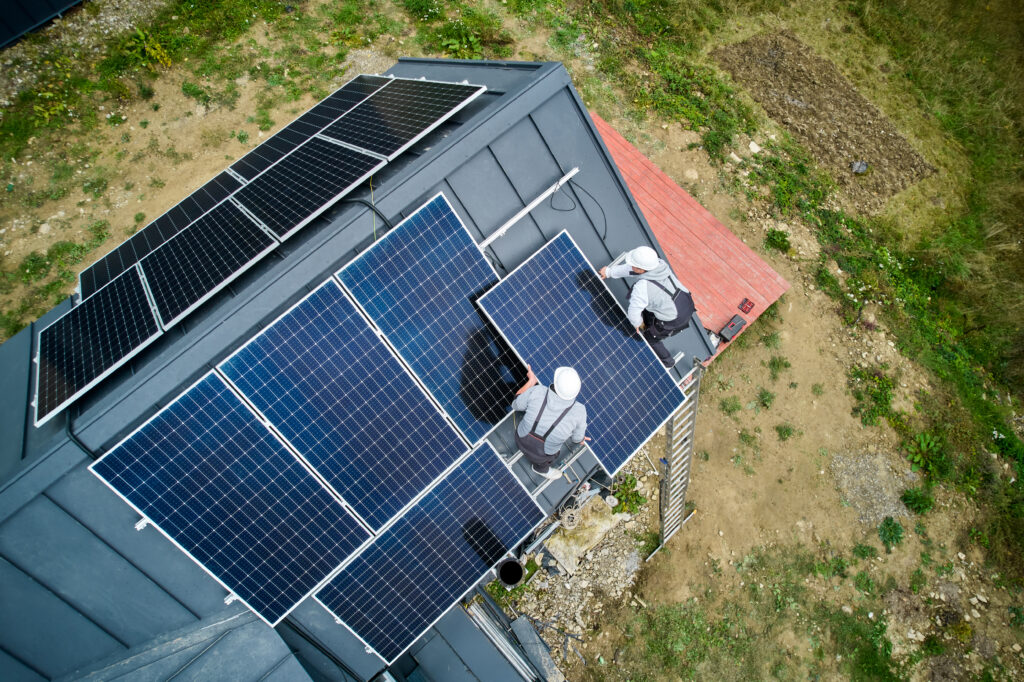
There isn’t a one-size-fits-all answer when it comes to expanding your solar system. The right number of additional panels depends on how much electricity your household uses today, how much you expect to use in the future, and what your existing system can support.
Rather than simply filling every available space on your roof, the goal is to install enough solar to maximise your savings without overspending on unnecessary capacity. A solar installer will typically assess your electricity usage before recommending a system upgrade. This includes reviewing:
- Your recent electricity bills
- When your household uses the most power during the day
- How much energy your current solar system is already producing
- Your future plans that may increase electricity consumption
By understanding your usage patterns, it’s easier to size your system so it generates the most value for your home.
Think About Your Future Energy Needs
Even if your current electricity use seems manageable, it’s worth considering how your lifestyle may change over the next few years. Many homeowners choose to expand their solar system because they’re planning to add:
- An electric vehicle charger
- A heat pump
- More air conditioning
- An electric hot water system
- A home office or additional living space
Planning for these upgrades now can save you from needing another solar expansion in the future.
What Approvals Do You Need in Central Queensland?
Before adding more solar panels, you’ll need approval from your electricity distributor. For Queensland, that’s Ergon Energy. Any changes to your solar system must be approved by Ergon Energy and comply with current Australian Standards, even if your existing system was compliant when it was first installed.
How much solar you can add depends on your connection type. Current export limits generally include:
- Single-phase connection: Up to 5kW export per phase
- Three-phase connection: Up to 5kW per phase (up to 15kW combined)
- Dynamic connection (single-phase): Up to 10kVA combined solar and battery inverter capacity, with exports managed automatically by Ergon Energy
If you’re planning to install additional panels and a battery, a dynamic connection may allow for a larger system without upgrading to three-phase power.
Older Systems May Need Compliance Upgrades
If your solar system was installed several years ago, adding more panels may require a full compliance check. Components such as wiring, isolators and earthing that met the standards at the time of installation may now need updating before approval is granted.
What Does It Cost, and Is It Worth It?
Adding panels to a system with spare inverter capacity is one of the more affordable solar upgrades available. However, the price is dependent on if an inverter swap, switchboard work or compliance upgrade is needed alongside the new panels.
What typically drives the cost
- Number of panels, plus mounting and racking requirements
- Whether the inverter has spare capacity or needs upgrading
- Any switchboard, earthing or wiring work needed to meet current standards
- Whether a battery is going in as part of the same job
Rebates still apply to expansions
STCs aren’t limited to brand-new systems. A genuine expansion installed by an SAA-accredited installer can still generate STCs, provided the whole system stays under the 100kW threshold and uses CEC-approved products.
Expansion vs a second system vs replacement
As a rough guide, expanding makes sense when your inverter has room and your existing panels are still performing well. A second system suits homes with leftover roof space but a maxed-out inverter. A full replacement usually wins once panels are past eight to ten years old, or the existing system is already limiting what you can add later, like a battery.
Common Challenges When Expanding an Existing Solar System
Adding more solar panels is often possible, but a few factors can affect whether your system is suitable for an upgrade. A professional assessment will identify any issues before work begins.
- Older Solar Systems: Older panels and inverters may have limited capacity or use technology that’s no longer compatible with modern equipment. In some cases, upgrading the inverter or replacing the system may be the better option.
- Limited Roof Space: If your roof is running out of usable space, alternatives such as higher-efficiency panels, another roof section or a ground-mounted system may help you achieve the extra capacity you need.
- Mixing Old and New Panels: New panels don’t have to match your existing ones, but they do need to be electrically compatible. A well-designed system ensures different panel generations work efficiently together.
- Switchboard and Electrical Upgrades: Some homes may need switchboard or electrical upgrades before additional panels can be installed. Your installer will check that your system meets current Australian Standards and identify any compliance work required before the upgrade proceeds.
Ready to Get More From Your Solar System?
Maximising your output is simple, but requires the right planning and expert advice. A professional assessment will ensure your existing system can be expanded safely, efficiently and in line with current standards, helping you get the most from your investment both now and into the future.
If you’re thinking about adding more solar panels, start with expert advice. The team at RAD NRG can assess your existing system, explain your upgrade options and recommend the most cost-effective solution for your home, budget and future energy needs. Get in touch today to book a solar assessment and find out how you can maximise your system’s performance.
Frequently Asked Questions
Can I add more solar panels to my existing system?
In most cases, yes. Whether it’s straightforward depends on your inverter’s spare capacity, how many MPPT inputs are free, and what your network provider approves. A proper system assessment before you get quotes tells you exactly where you stand.
Do I need a new inverter if I add more solar panels?
Only if your current inverter is already near its rated capacity or has no spare MPPT inputs. Many systems have enough headroom to carry extra panels, since inverters can generally handle panels rated up to around 133 percent of their own output.
How many extra solar panels can I add to my current system?
It depends on your inverter’s spare capacity, your roof space, and Ergon Energy’s export limits for your connection type. A 5kW inverter with room to spare might take another kW or two of panels; a maxed-out system might take none until it’s upgraded.
Is it cheaper to expand my solar system or install a new one?
Expanding is usually cheaper if your inverter has spare capacity and your existing panels are still performing well. If the inverter needs replacing anyway or your panels are past eight to ten years old, a full replacement often delivers better value long term.
Do I need approval to add more solar panels in Queensland?
Yes. Any change to a grid-connected solar system on Ergon Energy’s network, including adding panels, needs approval and has to meet current Australian Standards, even where the rest of the existing system already complies.
Can RAD NRG add a battery at the same time as expanding my panels?
Yes, we retrofit batteries to existing solar systems regularly, and it’s common to combine a panel expansion with a battery install in the same job if your inverter supports it or is being upgraded anyway.
My system was installed by another company. Can RAD NRG still expand it?
Generally yes. We inspect the existing system, including the inverter, wiring and panel specifications, before quoting, so you know upfront whether it’s a straightforward expansion or whether some remedial work is needed first.
What happens if my system is more than five years old?
Older systems can usually still be expanded, but expect the compliance check to cover the whole setup rather than just the new panels. If wiring or isolators no longer meet current standards, that work gets factored into the quote before installation starts.